
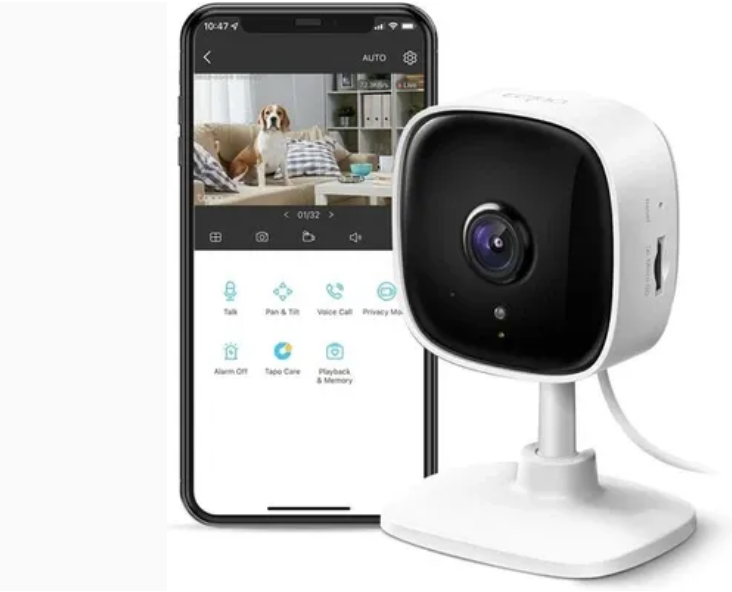
TP-Link has patched two serious vulnerabilities affecting its popular Tapo C200 security cameras. The flaws could expose private video feeds or disrupt camera management. Businesses using these cameras should verify their firmware immediately.
Two Tapo Camera Vulnerabilities
Security researchers at OPSWAT discovered both vulnerabilities in the TP-Link Tapo C200. The researchers reported their findings to TP-Link during April 2026. TP-Link released updated firmware addressing both vulnerabilities in August.
The first vulnerability is tracked as CVE-2026-15315. It affects the camera’s local HTTPS management interface. Attackers could potentially bypass authentication without knowing the administrator password.
The attack uses previously generated authentication information from the camera. An attacker could replay that information during another authentication request. The vulnerable camera could then create an administrative session.
Attackers Could Access Camera Features
Successful exploitation could provide access to privileged camera management functions. Attackers could change device configurations or modify network settings. They could also access privacy-sensitive camera functions.
Those functions may include live video streams and stored recordings. This creates serious privacy concerns for homes and businesses. Security cameras often monitor sensitive areas throughout an organization.
Second Flaw Can Crash Services
The second vulnerability is tracked as CVE-2026-15316. This flaw affects the camera’s Wi-Fi onboarding process. It involves improper validation of encrypted Wi-Fi credential data.
An attacker could submit an oversized encrypted credential value. That malformed information could crash the camera’s HTTPS service. Administrators could temporarily lose access to camera management functions.
Both vulnerabilities require network access to the affected camera. Attackers could gain access through compromised systems or insecure wireless networks. Internet-exposed camera management interfaces can create additional risks.
TP-Link Released Updated Firmware
TP-Link fixed both vulnerabilities with firmware version V5_1.4.6. The company released the firmware on August 18, 2026. Users should install that version or a newer release.
Businesses should confirm every affected camera received the updated firmware. Forgotten IoT devices can remain vulnerable long after patches become available. Regular patch management helps reduce that exposure.
OPSWAT published additional technical information about these vulnerabilities. You can read the OPSWAT security research for more details.
Another Vulnerability Remains Under Review
Researchers also identified another potentially critical vulnerability affecting the camera. Technical details have not yet been publicly released. The issue remains under coordinated disclosure with TP-Link.
Researchers say the additional flaw could allow complete camera compromise. A compromised camera could become a foothold inside another network. That could increase risks beyond the camera itself.
Businesses Should Segment IoT Devices
Security cameras should not share unrestricted access with important business systems. Businesses should place IoT devices on separate network segments when possible. Firewall rules should restrict unnecessary communication between those networks.
Administrators should also avoid exposing camera management interfaces directly online. Access should remain limited to authorized systems and trusted networks. Monitoring can also identify unusual device activity or unexpected configuration changes.
Keep Security Devices Updated
Security cameras are often overlooked during routine technology maintenance. However, these devices contain software requiring regular security updates. Unpatched cameras can create unnecessary risks across business networks.
Next Phase Tech Partners helps businesses identify and address vulnerable technology. Our patch management services help keep systems updated and protected. Learn more about our Chicago patch management services.